
How to Prevent Frozen Pipes During Holiday Travel
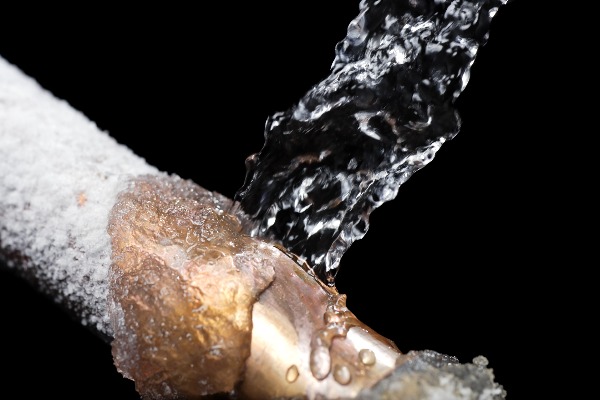
Holiday travel is meant to be stress-free, but leaving your home unattended during winter can put your plumbing at serious risk. Frozen pipes are one of the most common causes of water damage during the holiday season, especially when temperatures drop unexpectedly and no one is home to catch early warning signs.
Before you head out of town, take a few proactive steps to protect your home. These simple precautions can help prevent frozen pipes, burst lines, and costly water damage while you’re away.
Set Your Thermostat to a Safe Temperature
One of the biggest mistakes homeowners make is turning the heat off entirely to save energy. Even a short cold snap can cause pipes to freeze when indoor temperatures drop too low.
Best Practice:
- Keep your thermostat set to at least 55°F, even if no one is home.
- Maintain consistent heat throughout the house, including basements and utility rooms.
- Open interior doors to allow warm air to circulate around plumbing.
Shut Off the Main Water Supply
Turning off your home’s main water valve significantly reduces the risk of severe flooding if a pipe freezes and bursts while you’re away.
Before You Leave:
- Locate and shut off the main water supply.
- Turn on a few faucets to drain any remaining water from the system.
- Consider shutting off exterior hose bibs and irrigation lines as well.
This simple step can prevent hundreds to thousands of gallons of water from flooding your home.
Drain Vulnerable Water Lines
Standing water in pipes is more likely to freeze. Draining certain lines can provide extra protection, especially in older homes or properties with exposed plumbing.
Focus On:
- Outdoor faucets and sprinkler systems
- Basement or crawlspace plumbing
- Secondary bathrooms or laundry lines
If you’re unsure which lines should be drained, a professional inspection before traveling can help identify risk areas.
Insulate Exposed Pipes
Pipes located in unheated spaces—such as attics, garages, and crawlspaces—are the most vulnerable during winter.
Protect Them By:
- Installing foam pipe insulation or heat tape
- Sealing gaps or drafts near exterior walls
- Closing garage doors to retain warmth
Proper insulation can be the difference between safe plumbing and a costly emergency.
Use Smart Monitoring Tools
Technology can provide peace of mind while you’re away. Smart home devices can alert you to temperature changes or leaks before serious damage occurs.
Consider Installing:
- Smart thermostats to monitor indoor temperatures remotely
- Water leak detectors near sinks, water heaters, and appliances
- Automatic water shut-off systems for added protection
These tools can notify you instantly—allowing you to take action even from miles away.
Ask Someone to Check on Your Home
If possible, ask a trusted neighbor, friend, or property manager to check in on your home during extreme cold.
They Can:
- Ensure heat is working properly
- Look for signs of leaks or water damage
- Alert you or a professional if something seems off
Travel With Confidence This Holiday Season
Frozen pipes can turn a joyful holiday trip into a costly nightmare. By preparing your home before you leave, you dramatically reduce the risk of water damage and ensure you return to a safe, dry property.
If you need help winterizing your plumbing or responding to water damage, our team is available 24/7 to protect your home—whether you’re home or away.