


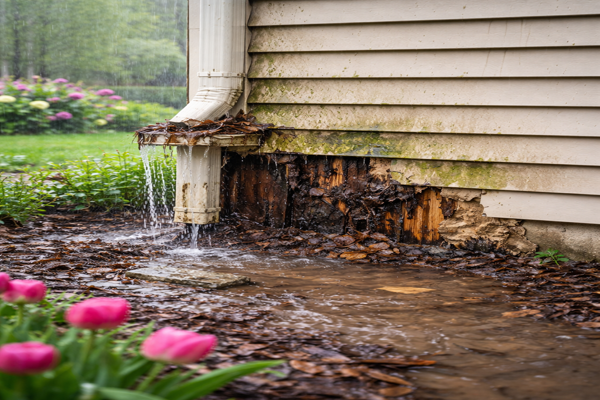
Top 7 Spring Maintenance Tips to Protect Your Home from Water Damage
As spring arrives in North Carolina, warmer temperatures and frequent rainstorms can put your home at risk for water damage. From sudden downpours to lingering moisture in crawl spaces, this season brings a unique set of challenges for homeowners. The good news? With a little preventative maintenance, you can protect your property and avoid costly repairs.
Here are seven essential spring maintenance tips to help keep your home dry and damage-free.
1 – Clean and Inspect Your Gutters
Your gutters play a critical role in directing water away from yourhome. Over the winter, they can become clogged with leaves, twigs, and debris. When this happens, rainwater can overflow and pool around your foundation.
Make sure to clean out your gutters and downspouts thoroughly. Check for any sagging sections or leaks, and ensure downspouts are directing water at least a few feet away from your home.
2 – Check for Roof Damage
Winter weather can take a toll on your roof, even in milder climates. Missing shingles, cracked flashing, or worn seals around vents can allow water to seep into your home.
Perform a visual inspection from the ground or hire a professional to assess your roof. Addressing small issues now can prevent major leaks during heavy spring storms.
3 – Inspect Your Foundation and Seal Cracks
Water can easily find its way into your home through even the smallest foundation cracks. Spring is the perfect time to walk around your property and inspect for any visible damage. Seal minor cracks with waterproof caulking or masonry sealant. For larger issues, consider contacting a professional to ensure your foundation remains structurally sound and watertight.
4 – Test Your Sump Pump
If your home has a sump pump, it’s your first line of defense against basement flooding. With spring rains increasing groundwater levels, it’s important to make sure your system is working properly.
Test your sump pump by pouring water into the pit and confirming it activates and drains correctly. Also, check the discharge line for any blockages or freezing damage left over from winter.
5 – Improve Yard Drainage
Poor drainage is a common cause of water damage, especially during heavy rainfall. Take a look at how water flows around your property during a storm.
Ensure your yard slopes away from your home’s foundation. Clear any debris from drainage paths, and consider installing extensions, French drains, or gravel beds to help redirect water safely.
6 – Inspect Crawl Spaces and Basements
Homes throughout North Carolina often have crawl spaces that are especially vulnerable to moisture buildup. Excess humidity can lead to mold growth, wood rot, and structural issues.
Check for standing water, damp insulation, or musty odors. Installing a vapor barrier or dehumidifier can go a long way in keeping these areas dry and healthy.
7 – Check for Interior Leaks and Plumbing Issues
Spring is also a great time to inspect your home’s interior for signs of hidden leaks. Look under sinks, around appliances, and behind toilets for moisture or water stains.
Even small leaks can lead to significant damage over time. Fixing them early can save you from costly repairs and help maintain a safe, dry living environment.
Stay Ahead of Spring Water Damage
Preparing yoru home for spring doesn’t have to be overwhelming. By taking these proactive steps, you can reduce your risk of water damage and protect your investment throughout the rainy season.
If you do experience water damage, acting quickly is key. Professional Restoration Services can help mitigate damage, prevent mold growth, and restore your home to its original condition.
Need help or have concerns about water damage this spring? Don’t hesitate to reach out to Professional Restoration Services for fast, reliable support.