

- FIRE & SMOKE
Fire Damage vs. Smoke Damage: What’s the Difference and Why Does It Matter?
Professional Restoration Services Team●Updated August 6, 2026●8 min read
- QUICK SUMMARY
A house fire can cause much more damage than what you see from the flames. Fire can destroy building materials and belongings, while smoke and soot can spread throughout the home and leave behind odors and residue.
- Fire damage is only part of the problem. Flames and extreme heat can damage walls, ceilings, flooring, structural components, and personal belongings.
- Smoke can travel far beyond the burned area. Smoke and soot can move through rooms, wall cavities, attics, crawl spaces, and HVAC systems.
- Firefighting can create additional water damage. Water used to extinguish a fire can affect drywall, flooring, insulation, furniture, and other materials.
- Don't focus only on what you can see. Smoke residue and odors can remain in areas that weren't directly affected by flames.
- Know when to call. Extensive fire or smoke damage, persistent odors, structural concerns, or damage to belongings all warrant professional restoration.
- IN THIS ARTICLE
A fire can change your home in minutes. Even after the flames are extinguished, the restoration process may involve much more than cleaning up burned materials.
Fire can damage the structure and contents of your home, while smoke and soot can spread into areas that appear untouched. Water from firefighting efforts can create another layer of damage.
If you’re dealing with the aftermath of a fire, understanding the difference between fire damage and smoke damage can help you make informed decisions about cleanup and restoration.
01
What is Fire Damage?
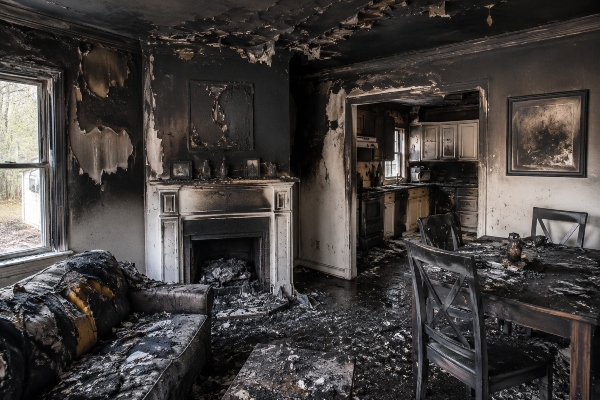
Fire damage is the physical damage caused directly by flames and extreme heat. Depending on the size, location, and intensity of a fire, the damage can range from a small localized area to extensive structural destruction.
Common examples of fire damage include:
Burned walls and ceilings
Flames and extreme heat can char drywall, plaster, wood framing, ceilings, and other building materials.
Damaged flooring
Carpet, hardwood, vinyl, tile, and subflooring can be damaged by flames, heat, smoke, or water used during firefighting.
Damaged cabinets and fixtures
Kitchen cabinets, countertops, doors, trim, appliances, and fixtures may be burned, melted, or otherwise damaged.
Damaged personal belongings
Furniture, clothing, electronics, documents, artwork, and other belongings may be damaged by flames or extreme heat.
Structural damage
A significant fire can compromise portions of a home’s structure. Even materials that remain standing may require professional evaluation before repairs begin.
- One important thing to understand: visible fire damage doesn't necessarily show the full extent of the problem. Heat and flames can affect materials beyond the area that was visibly burned, while smoke and water can spread even farther.
02
What Is Smoke and Soot Damage?
Smoke damage occurs when smoke and soot produced by a fire spread throughout a property.
Unlike flames, smoke doesn’t necessarily stay in the room where the fire started. It can move through openings, ventilation systems, wall cavities, ceilings, attics, and other areas of the home.
Smoke and soot can leave behind:
1
Dark or discolored surfaces
2
Residue on walls and ceilings
3
Persistent smoke odors
4
Soot on furniture and belongings
5
Contamination of porous materials
6
Odors trapped in fabrics and upholstery
The type of smoke damage can vary depending on what materials burned and how the fire developed. This means different surfaces and belongings may require different cleaning methods.
Smoke can affect areas that weren’t burned
A room may not have any visible fire damage and still require smoke cleaning.
For example, a fire that begins in a kitchen may leave the kitchen with significant flame damage while smoke travels into bedrooms, hallways, closets, and other areas of the home.
This is why simply cleaning the visibly burned area may not be enough to restore the property.
03
How Fire and Smoke Damage Affect Your Home
Fire and smoke damage often occur together, but they affect a property in different ways.
Fire Damage
- Caused primarily by flames and heat
- Can burn or destroy materials
- May compromise structural materials
- Often concentrated around the fire
- May require repairs or reconstruction
Smoke Damage
- Caused by smoke and soot
- Can leave residue and odors
- Can spread throughout the property
- Can affect areas far from the fire
- Often requires specialized cleaning and deodorization
There’s also a third issue homeowners should consider: water damage.
Firefighters may use significant amounts of water to extinguish a fire. That water can soak into flooring, drywall, insulation, furniture, and other materials.
This means a single fire can leave a property with three different types of damage:
Fire Damage
Burning and heat can destroy or weaken materials.
Smoke and soot damage
Smoke can spread throughout the property and leave residue and odors behind.
Water damage
Fire suppression efforts can introduce moisture into materials throughout the home.
04
What to Do After a Fire
Once the fire department has determined that the property is safe to enter, homeowners may be eager to start cleaning. Before doing so, take a few important steps.
1
Make safety the priority
Don’t enter areas that may be structurally unsafe or otherwise hazardous. A fire can weaken building materials even when the damage isn’t immediately obvious.
2
Document the damage
Take photographs and video of the property and affected belongings before beginning extensive cleanup. Documenting the condition of the property can be useful when communicating with your insurance company.
3
Protect the property
Depending on the extent of the damage, openings created by the fire may need to be secured to help protect the property from weather, unauthorized entry, or additional damage.
4
Avoid discarding everything immediately
Some belongings that appear damaged may be candidates for professional contents cleaning or restoration. Keep documentation of damaged items and allow professionals to evaluate potentially salvageable contents when appropriate.
5
Contact your insurance company
Notify your insurance carrier and ask about the claims process, documentation requirements, and next steps.
6
Contact a restoration professional
A professional restoration company can evaluate the property for fire, smoke, soot, and water damage and help determine what needs to be cleaned, removed, repaired, or restored.
Can You Clean Fire and Smoke Damage Yourself?
After a fire, it’s understandable to want to start cleaning as quickly as possible. However, extensive fire and smoke cleanup isn’t the same as ordinary household cleaning.
DIY May Be Reasonable
For very limited damage, homeowners may be able to handle certain basic cleaning tasks after the property has been deemed safe.
Call a Pro
- There is significant fire or structural damage
- Smoke or soot has spread throughout the home
- Strong smoke odors remain
- HVAC systems may have been affected
- Porous materials have absorbed smoke odors or residue
- Furniture, clothing, documents, or other belongings need specialized cleaning
- Firefighting efforts caused significant water damage
- You are dealing with an insurance claim
- You aren't sure how extensive the damage is
The goal of professional fire and smoke restoration isn’t simply to make the property look cleaner. The restoration process should address the different types of damage created by the fire and help determine which materials and belongings can be restored.
When to Call a Fire Damage Restoration Company
Professional help is the right choice when a fire has caused more than minor, localized damage.
Restoration professionals can evaluate the property and identify areas affected by flames, smoke, soot, and water. They can also determine which contents may be salvageable and what materials may require removal or additional repairs.
The sooner the damage is properly assessed, the sooner you can begin developing a plan for restoring your home.
05
Does Homeowners Insurance Cover Fire and Smoke Damage?
Homeowners insurance policies commonly provide coverage for certain types of fire-related damage, but coverage depends on the specific policy and circumstances surrounding the loss.
A covered fire may result in damage to both the structure of the home and personal belongings, depending on the policy.
- Usually covered
Depending on the policy, coverage may include certain damage to the home’s structure, personal belongings, and additional living expenses when a covered loss makes the home temporarily uninhabitable.
What to keep in mind:
- Every insurance policy is different. Homeowners should review their coverage and speak directly with their insurance provider about what is covered. When filing a claim, documentation is important. Take photographs and video of the damage, keep records of damaged belongings, and save receipts for eligible emergency expenses. Avoid making major repairs or discarding potentially salvageable belongings before documenting the damage whenever possible.
- Professional Restoration Services can provide detailed estimates and documentation related to restoration work to help you navigate the restoration process.
06
Get Professional Fire Damage Restoration from PRS
A fire can leave behind much more than burned materials. Flames, heat, smoke, soot, and firefighting water can all contribute to property damage, and some of the most significant problems may not be immediately visible.
Professional Restoration Services provides fire damage restoration and smoke damage cleaning for homeowners throughout the Raleigh, Apex, Cary, and surrounding Triangle areas.
Our team can help evaluate the damage, address smoke and soot, clean affected areas, and determine the next steps for restoring your property.
If your home has experienced a fire, don’t assume that the visibly burned areas are the only areas that need attention.
Call Professional Restoration Services at (919) 467-1991 or schedule an inspection to discuss your fire and smoke damage restoration needs.
Keep Reading
Related Guides

● sewage & biohazard
Sewage Backup in Your Home? Here’s What to Do Immediately
Sewage Backup in Your Home? Here’s What to Do Immediately A sewage backup is one of the most serious and hazardous problems a homeowner…
May 18 · 4 min

● Insurance
What Your Homeowners Insurance Won’t Cover (And What to Do About It)
What Your Homeowners Insurance Won’t Cover& (And What to Do About It) Five Coverage Gaps That Leave North Carolina Homeowners Exposed After…
April 23 · 5 min

● Storm Preparation
Storm Damage in Apex: How to Prepare Your Property for Hurricane Season
Storm Damage in Apex: How to Prepare Your Property for Hurricane Season Living in Apex means enjoying beautiful seasons, but it also means being …
April 17 · 6 min